LEARNING PATHWAYS
Your Learning Pathways to Self-Regulation
Learning Pathways turn evidence-informed knowledge into practical, everyday skills. Whether you want to strengthen self-regulation, build resilience, improve focus, or better understand the science behind wellbeing, each pathway provides a structured learning experience that combines understanding, reflection, and practical application.
If you’re new to self-regulation, start with the Self-Regulation Training pathway.

What Are Learning Pathways?
A Learning Pathway is a guided educational journey focused on a specific topic related to self-regulation and wellbeing. Each pathway combines clear explanations, self-regulation strategies, practical exercises, and reflective activities to help you build understanding step by step.
Instead of isolated articles, our pathways offer structured learning that supports real progress and the development of practical everyday skills.
UNDERSTANDING THE SELF-REGULATION LEARNING LOOP
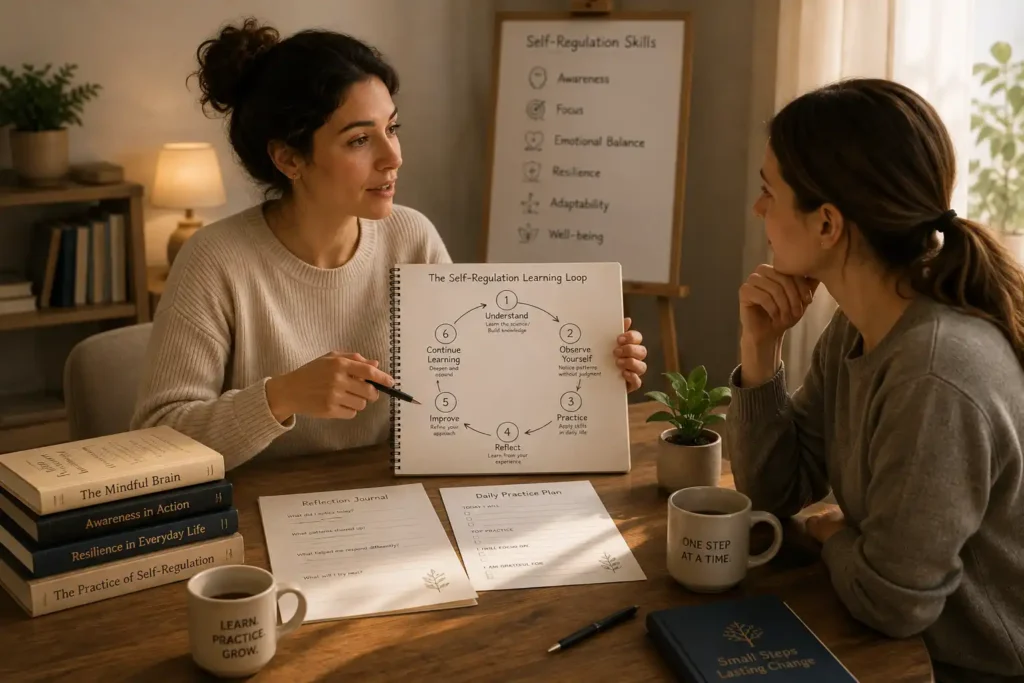
A continuous cycle for building lasting self-regulation skills.
Self-regulation is not a trait you’re born with—it’s a skill you can build. Developing these skills helps you navigate life’s challenges with greater clarity, respond to stress more effectively, improve your focus and decision-making, and experience greater overall wellbeing.
But here’s the challenge: to change your patterns, you first need to recognize them. And to recognize your patterns, you need to know what you’re looking for.
For example: How do you currently respond to stress? You might say, “I get overwhelmed,” or “I get a headache.” But stress can cause many other sensations, thoughts, and behaviors—tension in your shoulders, difficulty sleeping, irritability with loved ones, or trouble concentrating. Without knowing what to look for, you might miss these signals entirely. The Learning Loop helps you discover, understand, and ultimately transform these patterns—one stage at a time.
The Learning Loop
Discover →
Notice a pattern or challenge worth exploring.
Understand →
Learn the reasoning behind the pattern.
Observe Yourself →
Notice your own responses in the moment.
Practice →
Try a new response or strategy.
Reflect →
Consider what worked and what to adjust.
Improve →
Adjust and strengthen what you've learned.
Continue Learning
Apply your insights to new challenges.
 ___________________________________________________________________________________________________________________________________________________________________________________________
DISCOVER
Begin with curiosity. Learn what to look for.
Before you can change anything, you need to know what’s happening. Discovery means building awareness of your current patterns—how you think, feel, and respond in different situations.
What to explore:
- Your stress triggers and early warning signs
- Situations that drain your focus or energy
- Patterns in your emotional responses
- Habits that may be helping or hindering you
How to practice: Start with simple observation. Notice moments when you feel stressed, unfocused, or overwhelmed. Without judgment, ask yourself: What just happened? How did my body respond? What was I thinking?
Where to begin: Our Worksheets and Self-Regulation Training pathway provide structured questions and exercises to guide your discovery process.

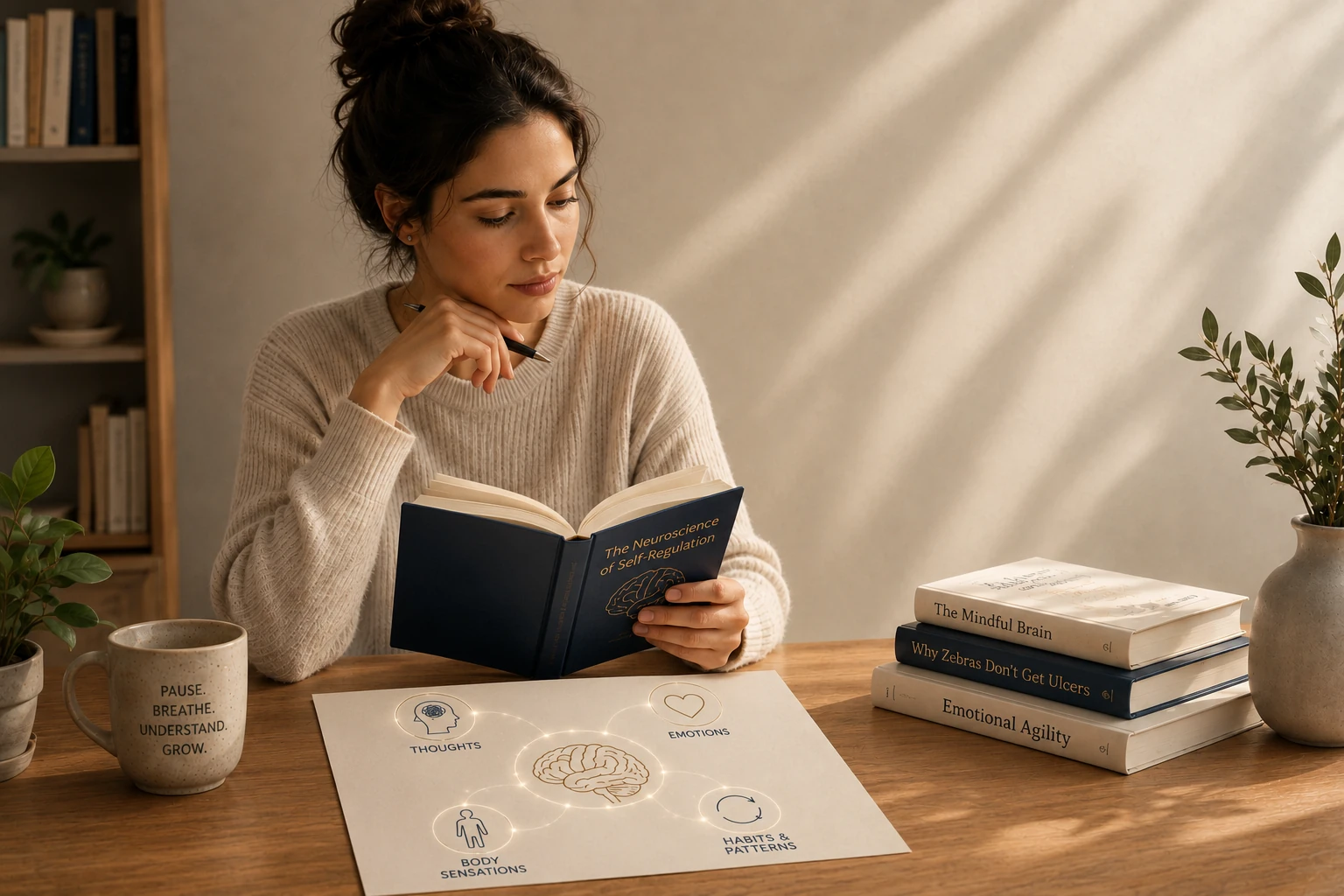
UNDERSTAND
Build your foundation with evidence-informed knowledge.
Discovery gives you data; Understanding gives you context. Once you’ve noticed your patterns, you need to understand why they happen and how they work. This stage translates neuroscience and psychology into practical, accessible knowledge.
What you’ll learn:
- How your nervous system responds to stress and challenge
- Why your brain creates habits and how to reshape them
- The science behind focus, resilience, and emotional balance
- How self-regulation develops and strengthens over time
Why it matters: Understanding helps you move from “This happens to me” to “This is happening, and here’s why.” This shift empowers you to respond with intention rather than react automatically.
Where to begin: Explore our Learning Pathways for structured educational content. Deepen your understanding with Workbooks & eBooks. Test your knowledge with our upcoming Assessments & Quizzes.
OBSERVE YOURSELF
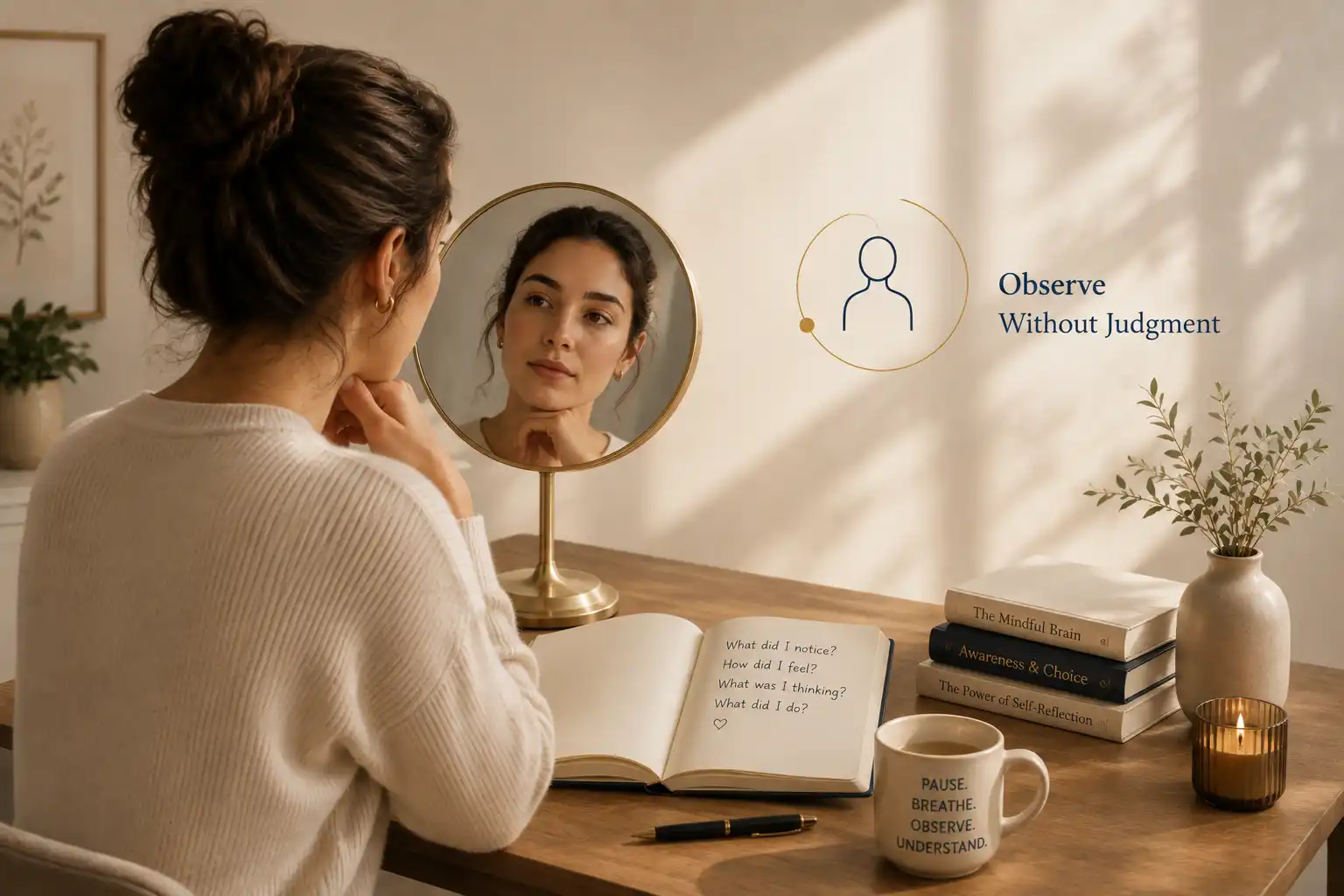
Bring awareness to your daily life.
Understanding the science is one thing—recognizing it in yourself is another. This stage is about applying your knowledge to real-time observation. It’s the bridge between “I know this” and “I notice this in me.”
What to observe:
- Your body’s signals (tension, breathing, heart rate)
- Your thoughts and internal dialogue
- Your emotional responses and intensity
- How your environment affects your state
- Your energy levels throughout the day
How to practice: Use brief check-ins throughout your day. Pause for 30 seconds and notice: What am I feeling right now? Where do I feel it in my body? What am I telling myself? These micro-observations build self-awareness muscle.
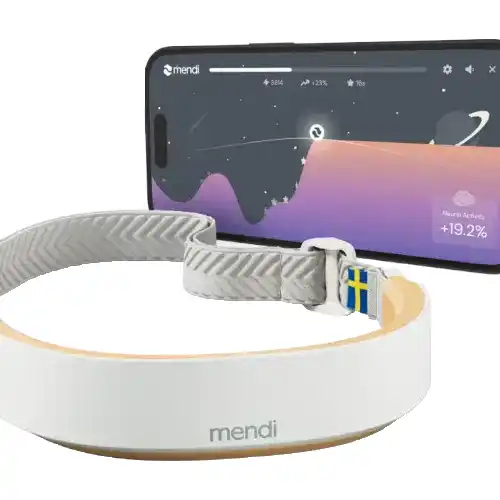
Where to begin: Our Practice Tools, Checklists, and Audio Exercises offer guided observation practices. For deeper awareness, some learners use tools like the Mendi Headband or Sens.ai to gain objective feedback about their brain and nervous system states.

PRACTICE
Turn knowledge into real-world skills.
Observation shows you what’s happening; Practice gives you the tools to respond differently. In this stage, you apply evidence-informed techniques and exercises to build new habits and responses.
What practice includes:
- Breathing exercises and relaxation techniques
- Cognitive reframing and mindset shifts
- Focus and attention training
- Emotional regulation strategies
- Body awareness and grounding exercises
How to practice: Consistency matters more than intensity. Start with small, manageable practices—5 minutes of focused breathing, a daily check-in, or one reframing exercise. Build gradually as these become habits.
Where to begin: Use our Mini Guides for quick exercises, Audio Exercises for guided sessions, and Practice Tools for structured routines. Our Guided Programs provide step-by-step support for deeper practice.
REFLECT
Learn from your experience.
Practice creates data. Reflection transforms that data into insight. This stage is about pausing to examine what’s working, what isn’t, and what you’re learning about yourself.
What to reflect on:
- What changes have you noticed—in yourself, your responses, your life?
- Which practices feel helpful? Which feel challenging?
- What patterns are shifting? What remains the same?
- What have you learned about your unique needs and rhythms?
- What adjustments might support your continued growth?
Why it matters: Reflection prevents mindless repetition. It helps you refine your approach, celebrate progress, and identify what truly serves you—so your practice becomes more effective over time.
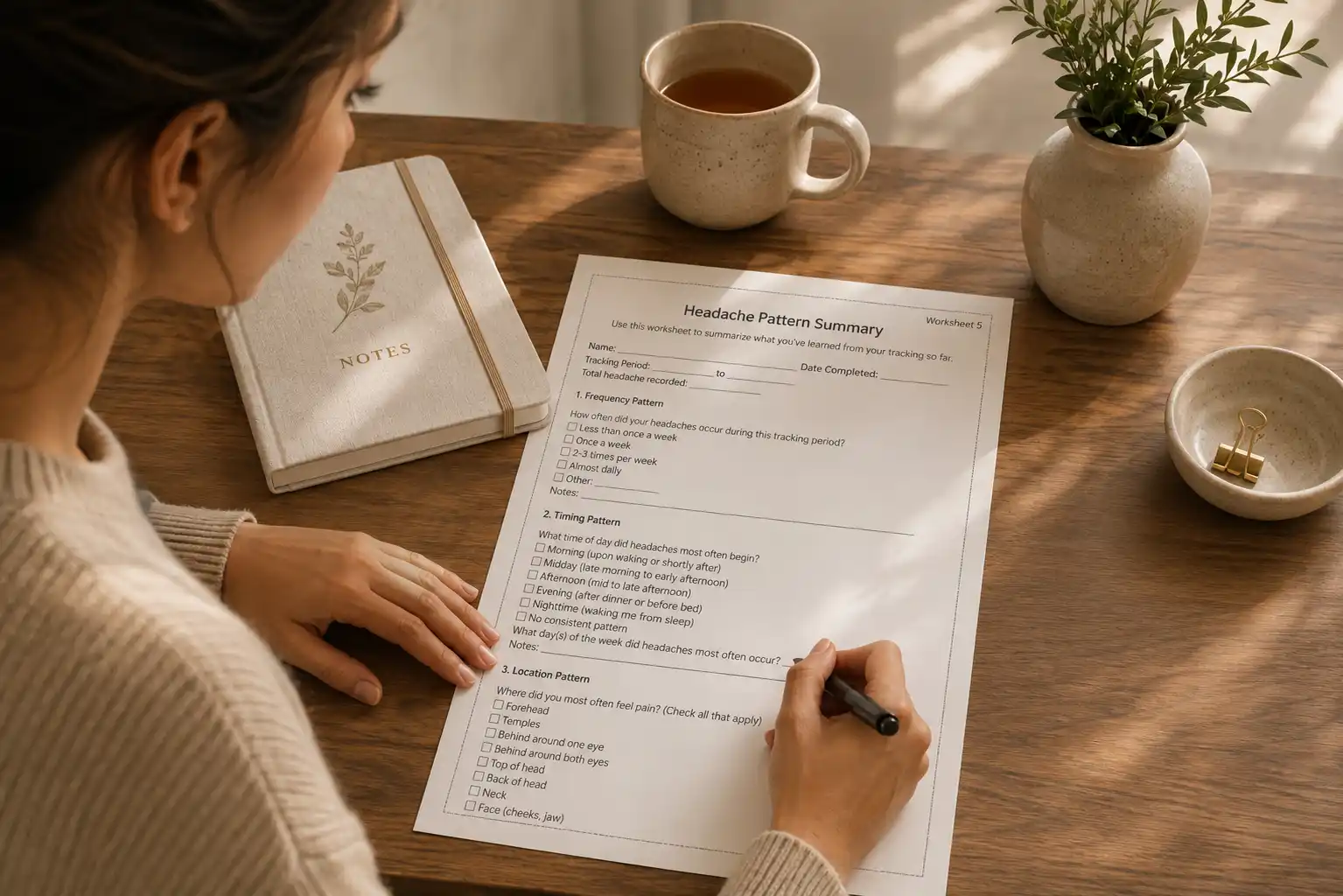
Where to begin: Our Worksheets and Journals provide structured reflection prompts. The Self-Regulation Training pathway includes built-in reflection exercises at key milestones

IMPROVE
Refine your approach and deepen your practice.
Reflection reveals opportunities for improvement. This stage is about making intentional adjustments—deepening your practice, addressing challenges, and expanding your skills.
How to improve:
- Increase the duration or frequency of your practice
- Explore more advanced techniques
- Address specific challenges that emerge
- Combine different practices for greater effect
- Set new goals based on your growing awareness
What improvement looks like: You might move from a 5-minute breathing practice to 15 minutes, or from general relaxation exercises to more targeted stress resilience techniques. You might address a specific trigger you’ve identified or explore how to maintain your practice during particularly stressful periods.
Where to begin: Our Premium Resources offer deeper workshops and advanced tools. Workbooks provide comprehensive practice structures. Consider exploring our Recommended Self-Regulation Technology for tools that can help you measure and accelerate your improvement.
CONTINUE LEARNING
The cycle never ends—it deepens.
Self-regulation is not a destination; it’s a lifelong practice. As you develop skills, you gain new awareness, which leads to new discoveries. Each cycle of the loop deepens your understanding and expands your capacity.
What continued learning means:
- Revisiting the loop with greater self-awareness
- Exploring new pathways and topics
- Deepening your practice over time
- Using advanced tools and methods as you grow
- Sharing your learning and supporting others
Why it matters: Each cycle brings new insights. What you discover in year two is different from what you discovered in year one—because you’re different. Continued learning ensures your practice evolves with you.
Where to begin: Explore our Expanding Library of resources, revisit pathways for deeper understanding, or explore Technology as a Learning Companion to accelerate your growth.
NOT SURE WHERE TO START?
Find Your Best Starting Point
Answer a few short questions and receive a suggested
learning pathway designed around your current goals.
Takes about 2 min
Personalized for your goals
Get a recommended learning sequence
Explore Learning Pathways
Browse our featured pathways or explore all learning topics →
Self-Regulation Training
Learn the foundations of self-regulation and build practical skills for everyday life and personal growth. →

Stress Resilience
Understand how stress responses work and explore strategies that support healthier adaptation. →
Cognitive Performance
Discover practical strategies that support focus, learning, memory, and decision-making. →
Emotional Wellbeing
Develop emotional balance and understanding to strengthen self-awareness and relationships. →
Relaxation
Learn relaxation techniques to calm your mind, release tension, and restore your energy. →
Continue Learning With Practical Resources
Deepen your understanding and put learning into practice with our educational resources
Free Resources
Educational articles, mini-guides, checklists, and tools
Premium Resources
Workbooks, assessments, and advanced materials.
Visit Resource Library →
Technology as a Learning Companion
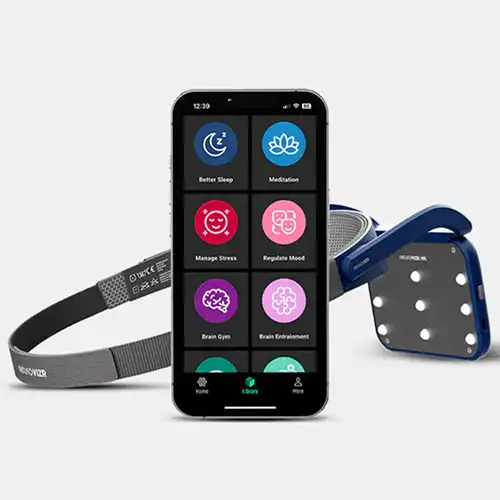
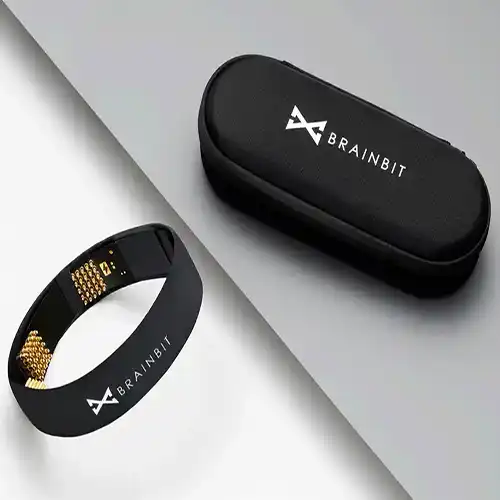
Some learners choose to complement their learning with wellness technologies that provide feedback, support awareness, and encourage consistent practice.

Explore Performance Technology →
Frequently Asked Questions
What is a Learning Pathway?
A Learning Pathway is a structured educational journey that guides you through a specific topic related to self-regulation and wellbeing. Each pathway combines clear explanations, practical exercises, and reflective activities arranged in a logical sequence—helping you build understanding and skills step by step. Instead of presenting isolated articles or random tips, our pathways offer a cohesive learning experience that supports real progress.
Can I really learn self-regulation, or am I just "born with it"?
Yes, self-regulation is absolutely learnable. It’s not a fixed trait you’re born with—it’s a skill you build through practice, much like learning a musical instrument or a new language. Our approach is grounded in evidence showing that self-regulation develops through a continuous process of discovery, understanding, practice, and reflection. This is why we’ve structured our Learning Pathways around the Learning Loop.
How do I choose the right Learning Pathway for me?
Choosing the right pathway depends on your current goals and interests. Here are some questions to guide you:
- Want to build a strong foundation? Start with Self-Regulation Training—it covers the core concepts and practices.
- Feeling overwhelmed by stress? The Stress Resilience pathway explores how stress responses work and offers strategies for healthier adaptation.
- Struggling with focus or decision-making? Cognitive Performance provides practical strategies to support learning, memory, and concentration.
- Looking for emotional balance? The Emotional Wellbeing pathway develops self-awareness and healthier relationship patterns.
- Need to calm your mind and restore energy? Explore Relaxation techniques.
If you’re unsure where to begin, try our Learning Pathway Finder—just answer a few short questions, and we’ll recommend a pathway tailored to your needs.